neuerscheinungen winter/frühjahr / new releases winter/spring 2025/2026 |
|||||
 |
A Texts
/ essays by LIAM GILLICK (Cover design.) |
||||
Konzept & Herausgeber / Concept & Editor: David Pestorius Englisch / English,
100 Abbildungen / images, Format / size 23,5 x 18,5 cm, Euro 31,- KANN-Verlag, Frankfurt am Main, 2025 |
Weitere Informationen / additional information David Pestorius Projects | ||||
| [bestellungen bitte an / all orders please directly at >>> hier | |||||
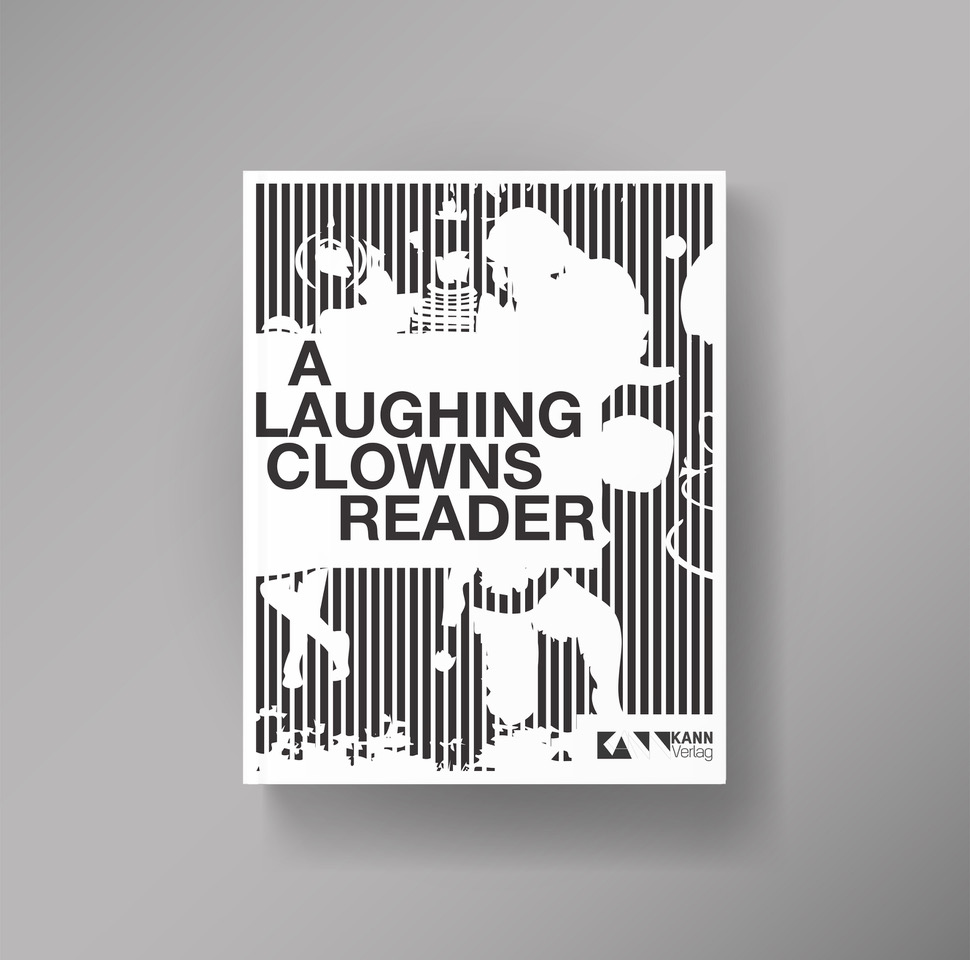
Produced especially for the exhibition "WHEN WHAT YOU SEE: The Art of Laughing Clowns" The global coming together of art and music in the post-punk years owed a lot to the conceptualist critique of traditional value systems in the culture, especially the gallery system. In Australia, John Nixon's Q Space (1980–81), with its frequent one-day exhibitions inspired by the punk gig, is well known. Coming from the music side was Ed Kuepper's Laughing Clowns (1979–84), a Gestampkunstwerk combining musical performance, polemic staging that defied the deathly symmetries of rock orthodoxy, curtain walls of Buren stripes but also brushy abstraction too, coded dress, light bulb pieces, graphic works, press shots and video clips, all marvellously interconnected. Referenced by Nixon in his important post-punk Polaroid installations but otherwise overlooked in the 'crossover' biennales and surveys of the early 1980s, this exhibition shines a long overdue light on the total work of art that was Laughing Clowns.
Laughing Clowns' music was essentially song-based rock'n'roll, however, its unusual and complex arrangements, dramatic tempo changes, diminuendos and extended interludes with brass instrumentation prompted the tag "jazz-punk". In fact, powerful brass hooks were already there in Kuepper's 1977 songwriting for The Saints' second album, Eternally Yours, a title he would later give to a Laughing Clowns song with an indelible sax line, as if to remind his audience not only of his continued devotion but also where it all began.
WHEN WHAT YOU SEE: The Art of Laughing Clowns presents key posters of the group alongside rarely seen photographs of them performing in Sydney, Melbourne and Brisbane between 1979–81, when their stage was at its most theatrical and polemic. There are also displays of Laughing Clowns' 12" vinyl releases on small cottage-industry record labels, including on their own Prince Melon Records. These reflexive objects compel physical engagement and are closer to artist's multiples than conventional music industry merchandise. The exhibition also includes a 1980 video and a Perth tour t-shirt from 1983, with both keeping the balls of the Bauhaus in the air and Schlemmer still very much a touchstone for the group. David Pestorius, Brisbane, 2025 WHEN WHAT YOU SEE: The Art of Laughing Clowns David Pestorius at Australianfinearts on Instagram |
|||||
|
ANT FARM. Text
/ introduction by |
||||
Herausgeber / Editor David Pestorius Deutsch / English,
33 Abbildungen / images, Format / size
23,5 x 18,5 cm, Euro 35,- im KANN-Verlag, Frankfurt am Main, 2014 |
|||||
| [bestellungen bitte an / all orders please directly at >>> hier | gesamtverzeichnis / complete catalogue | ||||
| //////////////////////////////// agb /// home /////////// | |||||
| Weitere Informationen / additional information David Pestorius Projects | |||||
 |
|||||
 |
|||||
 |
|||||
 |
|||||
 |
|||||
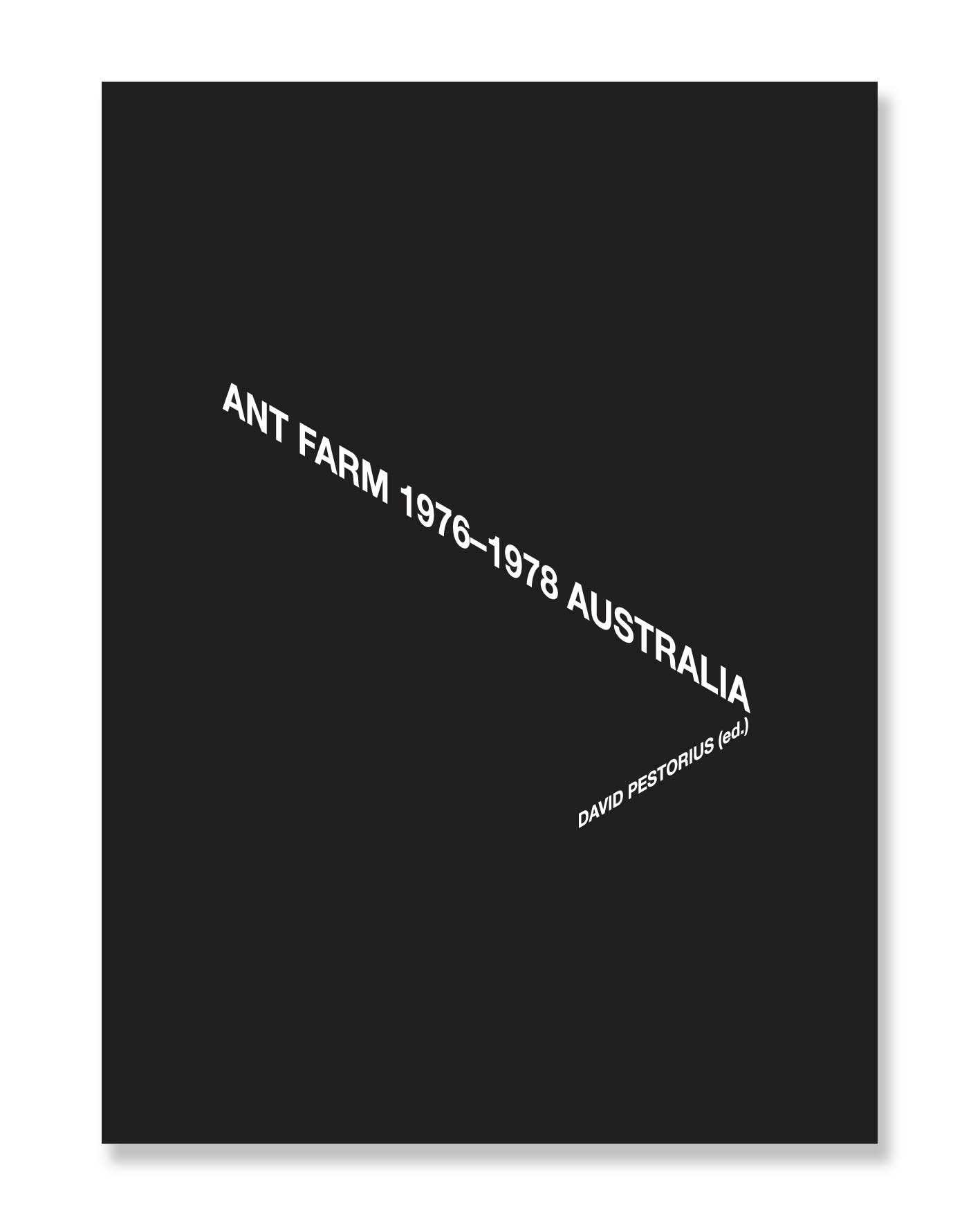
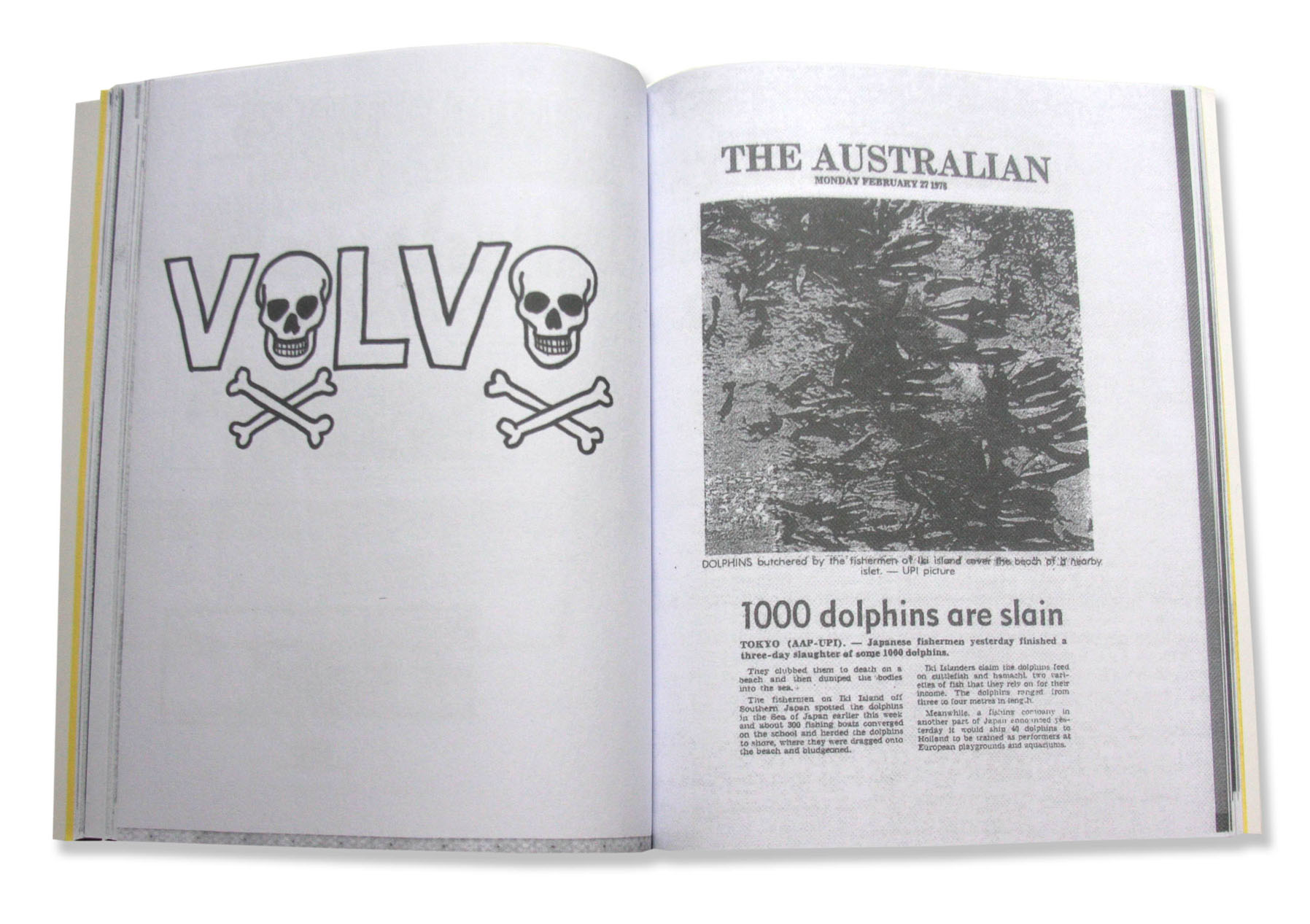
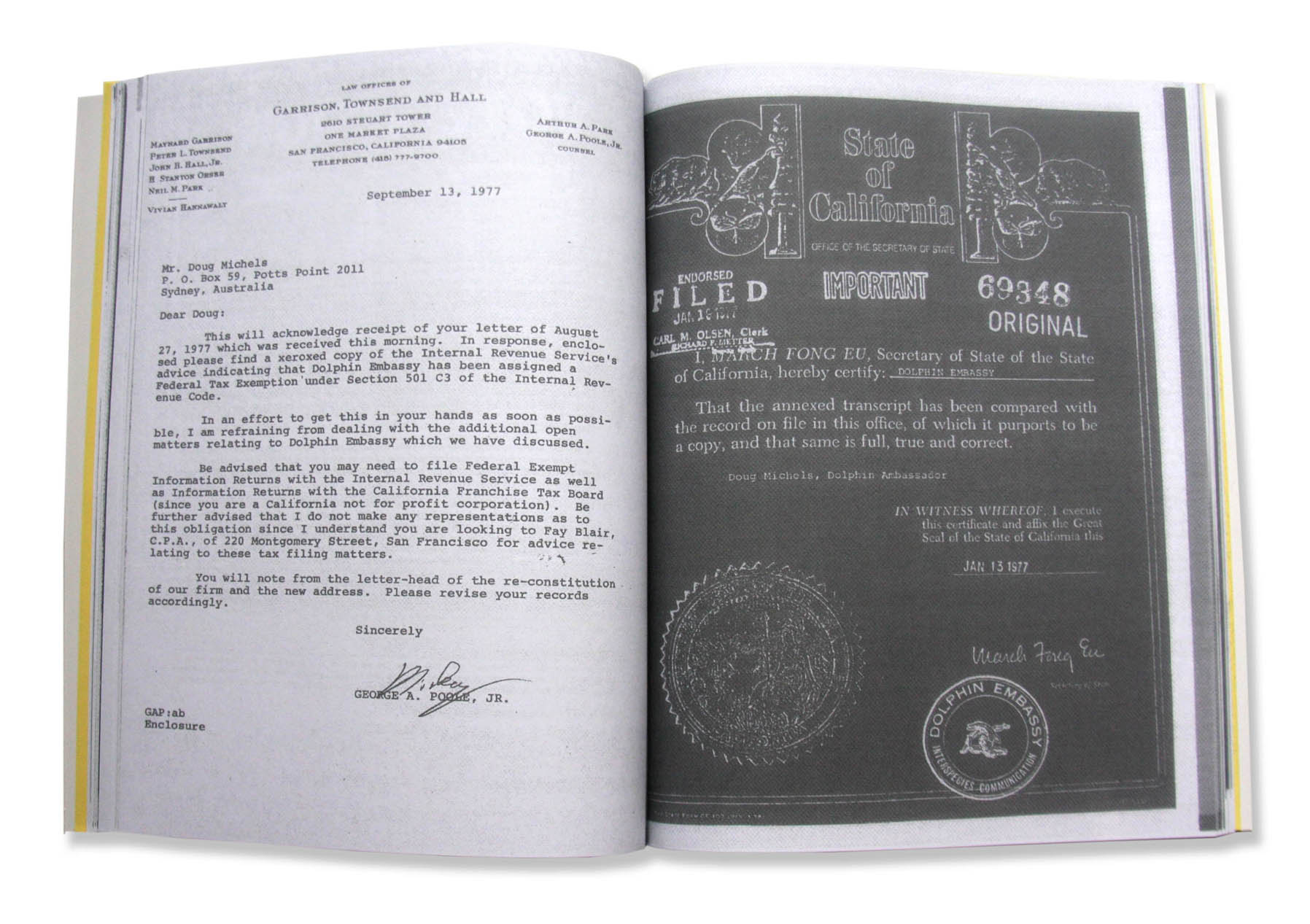
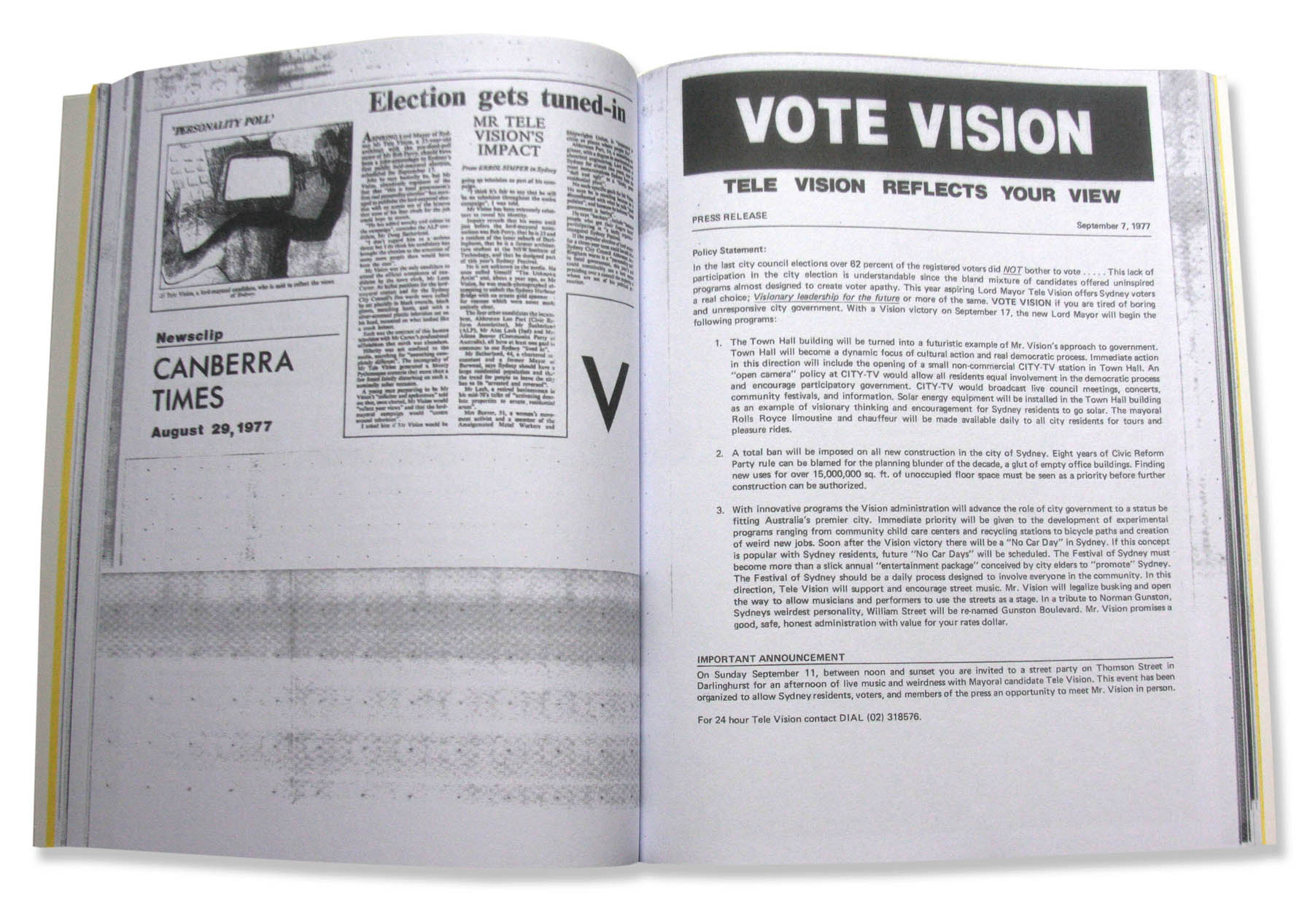
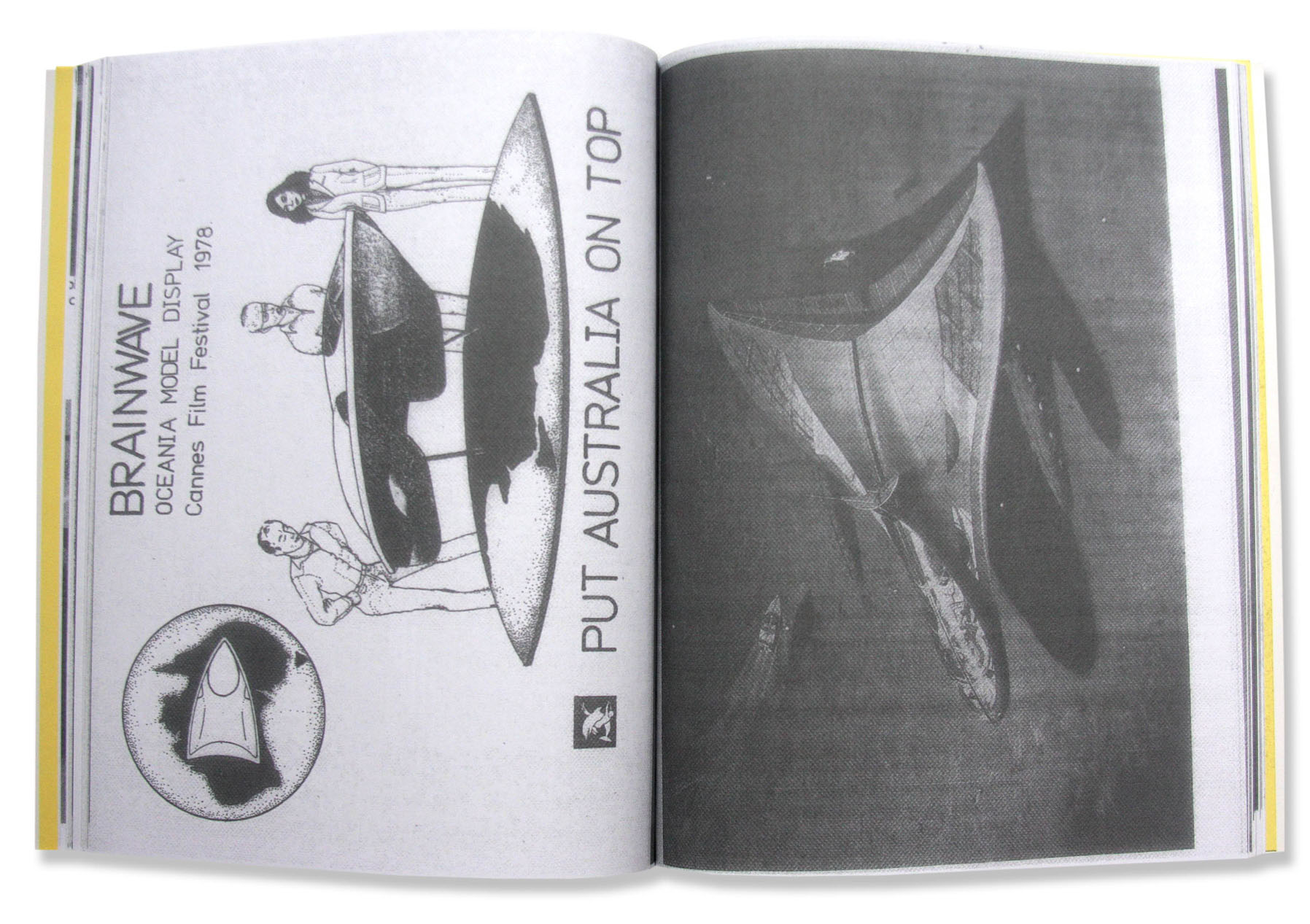
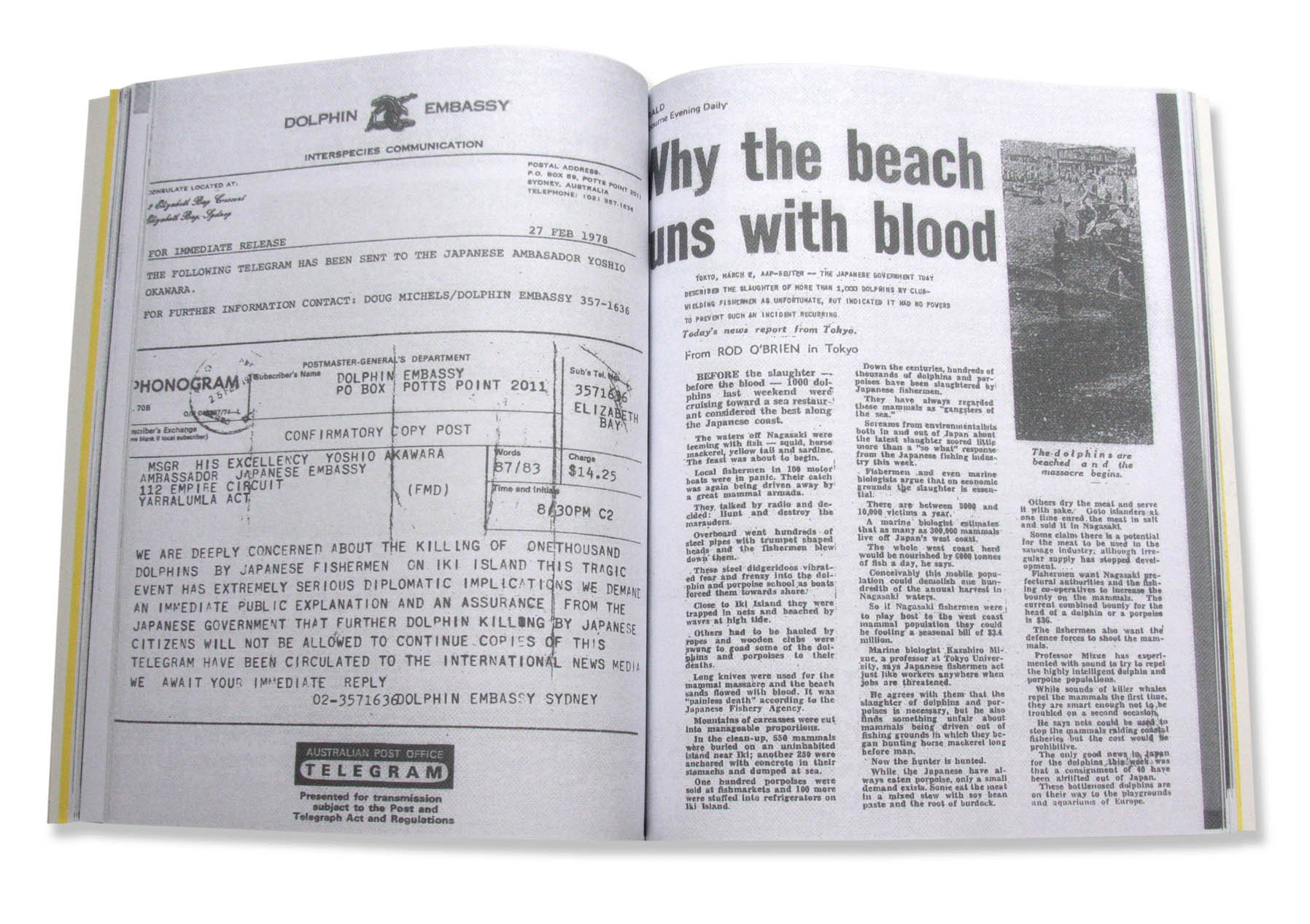
The San Francisco conceptualists Ant Farm (1968–1978) are famous for their radical architecture (The House of the Century, 1973), iconic land art (Cadillac Ranch, 1974), and pioneering video/performance (Media Burn, 1975). Much less well-known are Ant Farm's projects in Australia. Yet it is undeniable that their 10 week visit to Australia in mid 1976 turned the group upside down in more ways than one. Importantly, the focus of their work shifted, with Oceania not only becoming an important base, but also a critical concept for the group. Central to this shift was perhaps Ant Farm's most ambitious project, the Dolphin Embassy (1974–1978), and in January 1977 the group's co-founder Doug Michels moved to Sydney to establish a consulate there. Until now, the historical accounts of Ant Farm have misrepresented and misunderstood the nature and extent of the group's work in Australia. Equally, Ant Farm's projects are invisible in any account of Australian art. Ant Farm 1976–1978 Australia is the first book devoted to the activities and critical reception of Ant Farm in Australia. It adopts a form favoured by Ant Farm — the time-line/photo-collage/book — and critically builds upon their monumental artist's book Dolphin Embassy (Log: 1976–1978), Sydney, Australia. Ant Farm 1976–1978 Australia is published by KANN-Verlag, Frankfurt, 2014, 25 x 18 cm, b&w, photocopies, 155 pages, perfect bound, offset printed cover, edited by David Pestorius with cover by Liam Gillick, in an edition of 100 copies. |
|||||
.............................................................................................................. |
|||||
| /////////////////////////////agb /// home /// gesamtverzeichnis / complete catalogue //////////////////////////// impressum / kontact / contact /////////////////////////////////////////// |